Preparing for Winter Biosecurity, Protecting Pig Health | Aerowind at the 2026 ASF New Strain Prevention and Control Conference
Winter biosecurity requires not only strong disease prevention measures but also effective ventilation management in pig farms.
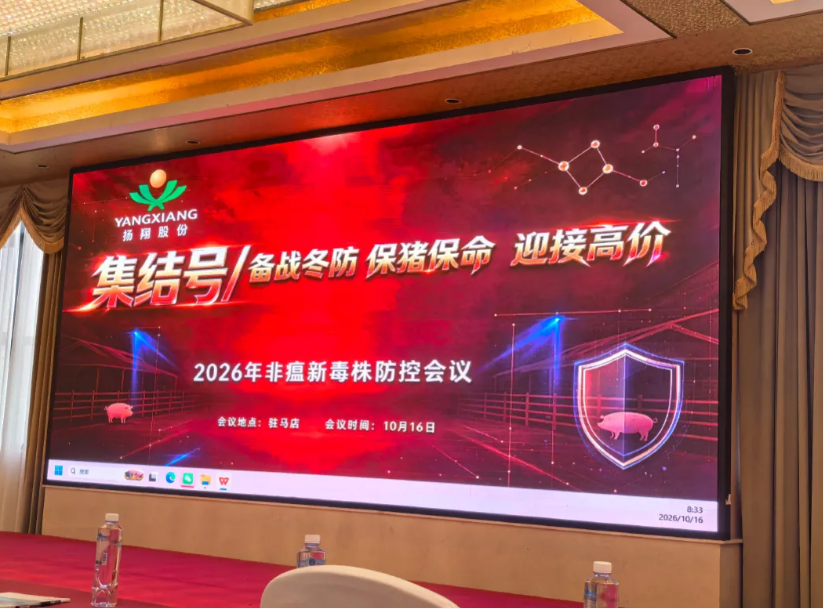
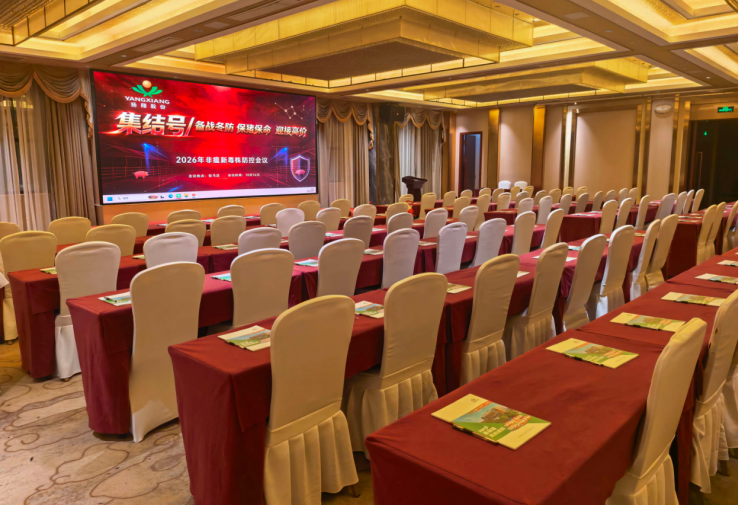
On October 16, 2026, the Conference on African Swine Fever (ASF) New Strain Prevention and Control was held at Changrong International Hotel in Zhumadian, Henan, China. Under the theme “Prepare for Winter Prevention, Protect Pigs and Livelihoods, and Welcome Higher Market Prices,” the conference focused on regional disease situation assessments, practical winter ASF prevention strategies, dust control, and air filtration.
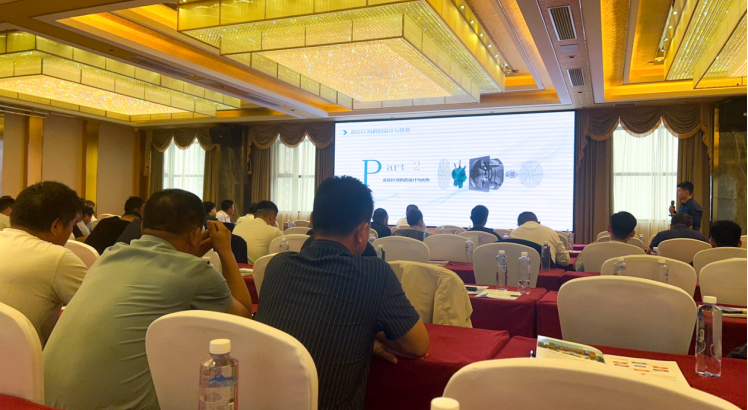
Aerowind was invited to attend the conference and delivered a technical presentation titled “Pig Farm Air Filtration and Winter African Swine Fever Prevention,” exploring the important role of air filtration and ventilation management in strengthening winter biosecurity on pig farms.
1. Addressing Winter Biosecurity Challenges in Pig Farming
As winter approaches, biosecurity management on pig farms faces new challenges. Balancing insulation and ventilation, managing dust and humidity inside livestock houses, and ensuring compatibility between air filtration systems and ventilation equipment are all important considerations for modern pig farms.
Aerowind believes that effective biosecurity requires a systematic approach. In addition to routine disease prevention measures, farms should evaluate air filtration and ventilation system configurations based on building conditions, ventilation methods, and actual production needs.
2. Technical Presentation: Focusing on Dust Control and Air Filtration
Aerowind delivered a technical presentation covering the operating principles of air filtration systems, combined filter applications, system resistance analysis, and design and equipment selection for different ventilation methods.
Air Filtration: Addressing Airborne Risks
Air filtration is an important technical approach to air quality management and biosecurity on pig farms. Drawing on knowledge of dust, aerosols, and air filtration, Aerowind explained how filtration systems can help reduce airborne particles.
Integrating Filtration and Ventilation: Efficiency Is Not the Only Consideration
Air filtration involves more than simply installing filters. Filters create airflow resistance, which may increase as dust accumulates over time. Properly designing the filtration area, fan configuration, and airflow paths helps balance filtration requirements with the ventilation needs of livestock houses.
Year-Round and Three-Season Solutions: Choosing Based on Farm Conditions
For different livestock housing conditions, Aerowind introduced year-round air filtration systems, three-season air filtration solutions, and winter air filtration boxes. Positive-pressure ventilation can be an option for retrofitting certain existing pig houses. Year-round filtration systems should be evaluated comprehensively based on building conditions, airtightness, ventilation requirements, and investment budgets.
3. From Technical Principles to Practical Applications
Drawing on project materials, Aerowind presented the design concepts behind several solutions, including three-season positive-pressure air filtration boxes, year-round negative-pressure ventilation, and year-round positive-pressure ventilation.
Through airflow calculations, system resistance analysis, fan selection, and airflow simulation, Aerowind demonstrated key aspects of air filtration system engineering design, providing practical reference for the proper configuration of air filtration and ventilation systems in pig farms.
4. Promoting Industry Collaboration Through Technical Exchange
The conference provided a platform for technical exchange within the pig farming industry. Aerowind shared technical insights and application experience with industry peers, gaining a deeper understanding of the practical needs of livestock farms and key industry concerns. These exchanges will help build experience for future product development, solution design, and application support.
5. Advancing Ventilation Solutions for Agriculture and Livestock
Aerowind specializes in ventilation and environmental control solutions for agriculture, livestock, and industrial applications. Its solutions serve a wide range of environments, including pig houses, poultry houses, dairy farms, greenhouses, and industrial facilities. Aerowind continues to focus on the application and integration of fans, air filtration systems, and related equipment, providing professional ventilation and environmental control solutions tailored to different needs.
Looking ahead, Aerowind will continue to follow technological developments and practical needs across the agriculture and livestock industries. Through ongoing technical exchanges and engineering experience, the company will further optimize product applications and system solutions, supporting ventilation management and biosecurity efforts on livestock farms.