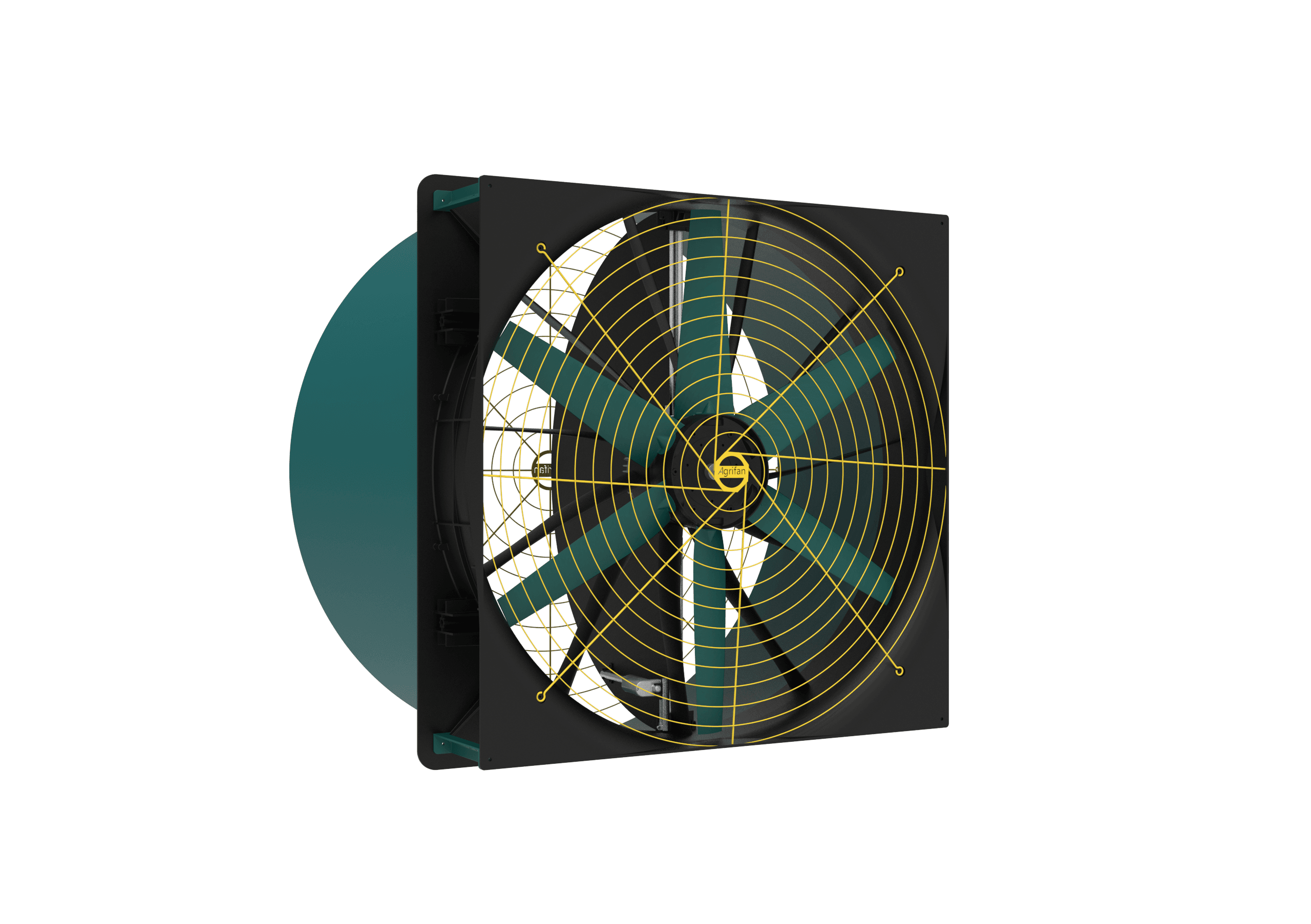
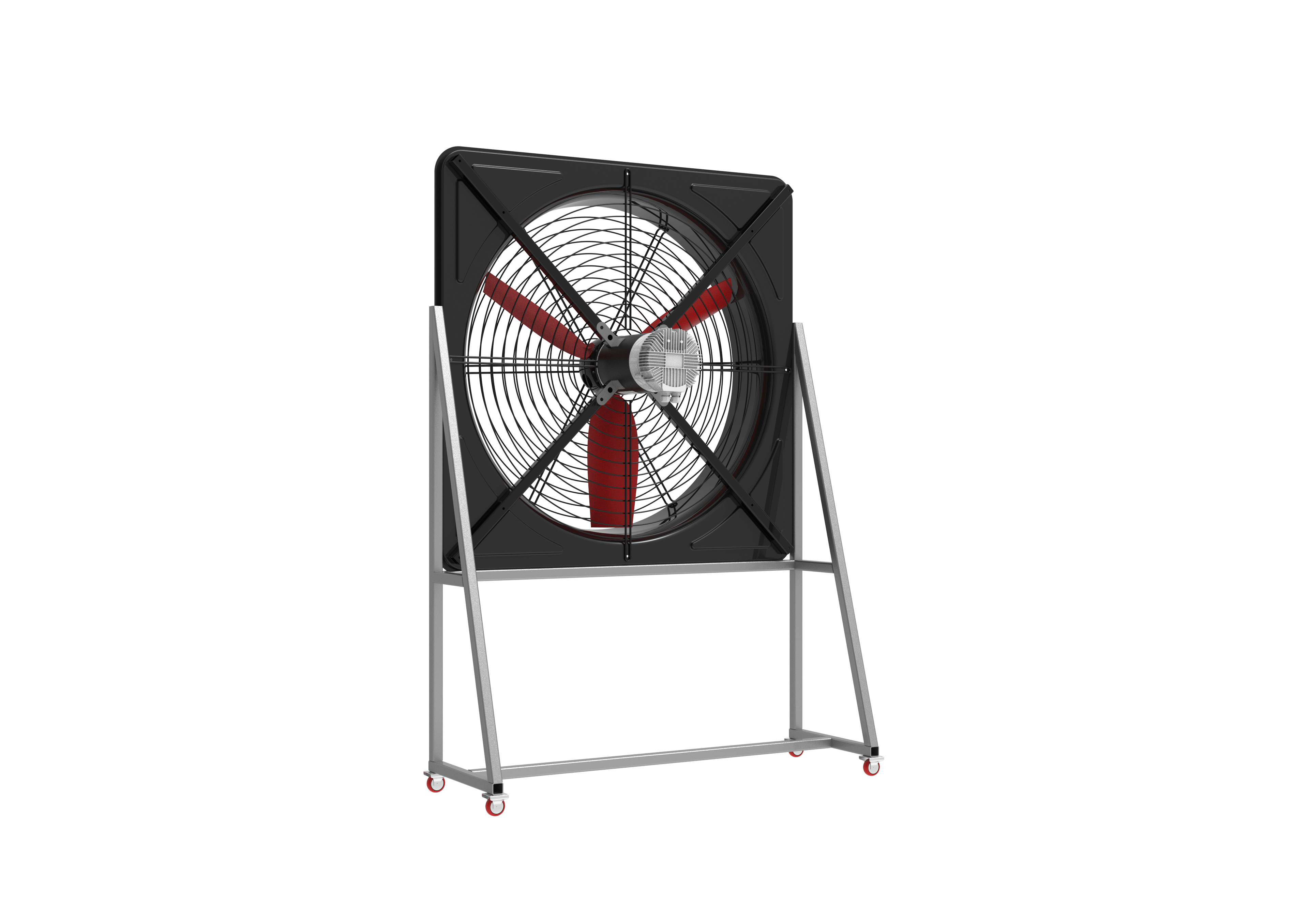
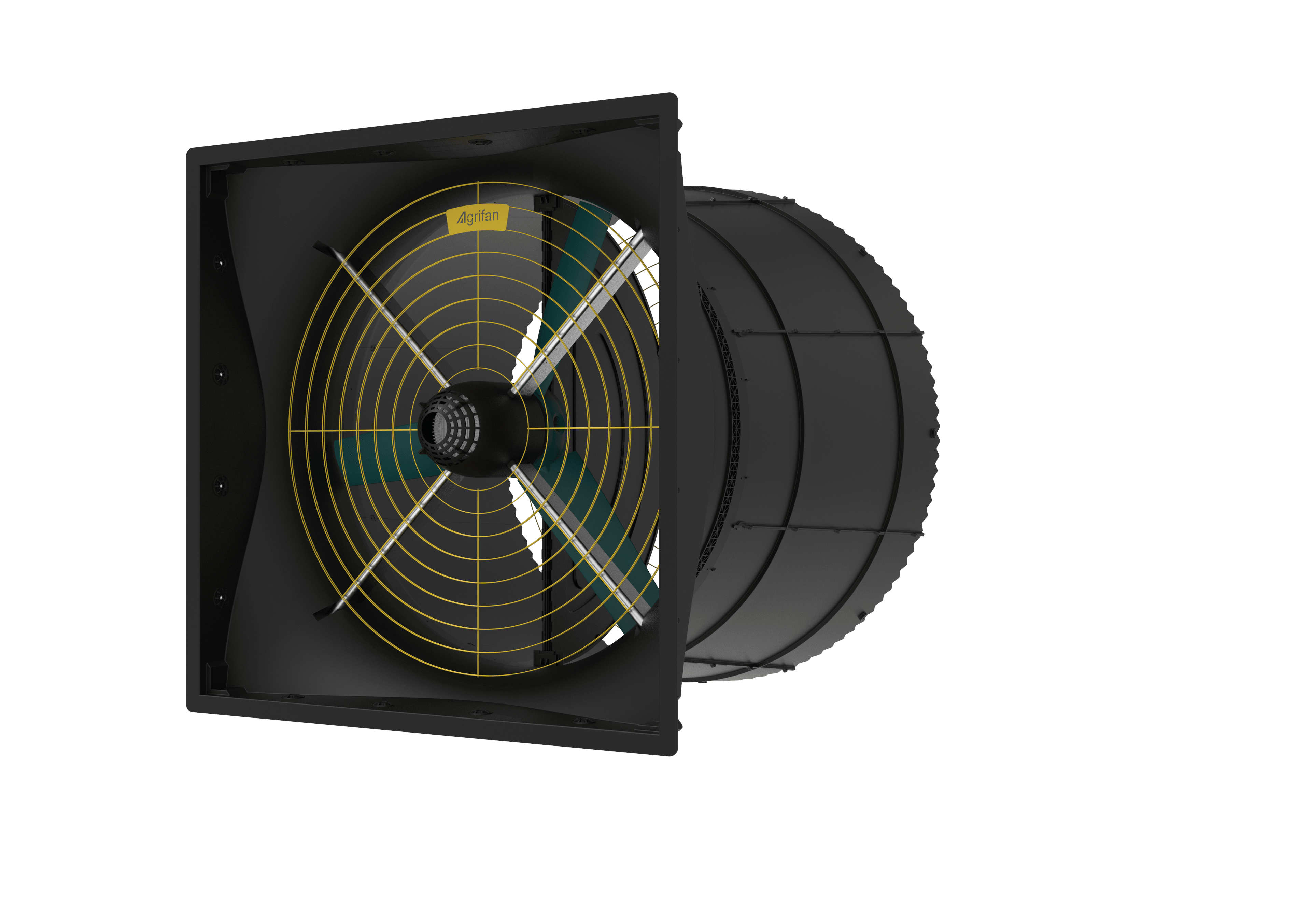
Tailoring precise climate solutions for every environment
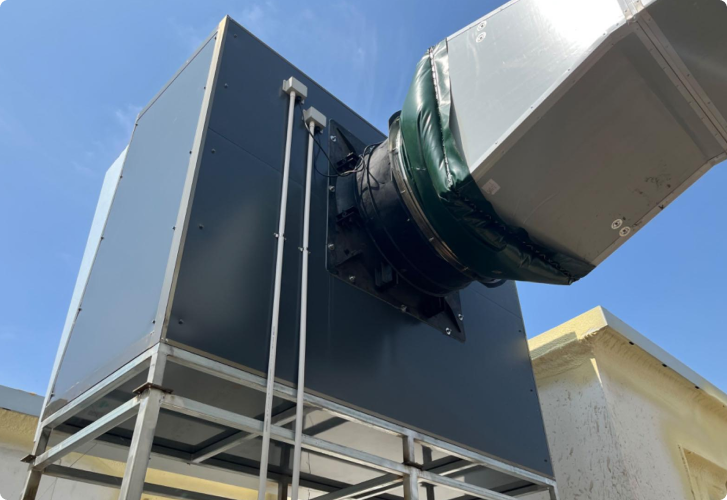
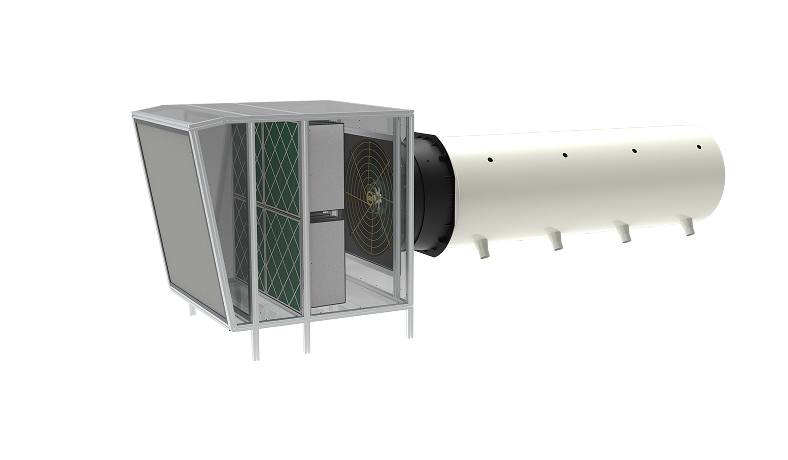
Air filtration system
The air filtration system is an efficient air intake purification solution specifically designed for livestock farms, greenhouses, and high bio-security areas. It effectively prevents viruses, bacteria, dust, and pests from entering the building interior.
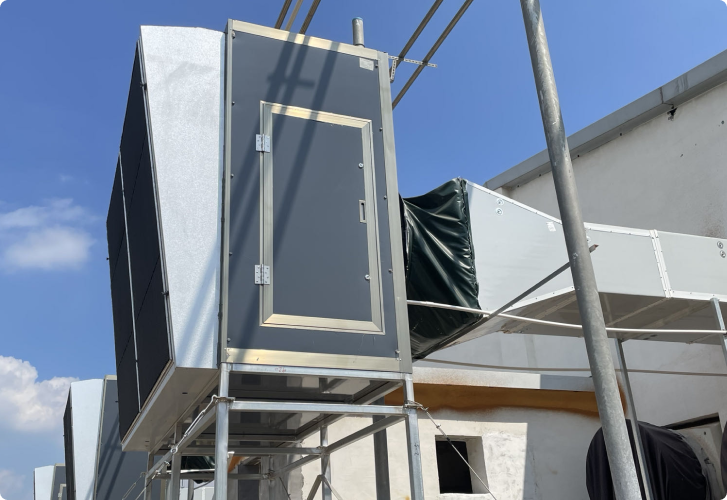
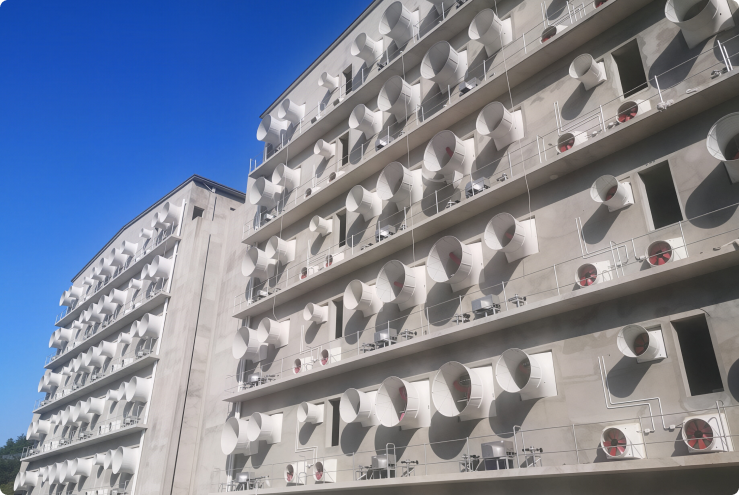
Livestock farming in buildings
Building-based livestock farming is the mainstream trend in large-scale agriculture, offering land and density benefits. However, its enclosed, multi-story structure creates ventilation and biosecurity challenges. Aerowind addresses this with an integrated solution of high-pressure fans, positive pressure ventilation, air filtration, and circulation fans. Designed for 4-10 story farms, it ensures layered airflow, precise filtration, and intelligent control for pigs, chickens, and cattle.
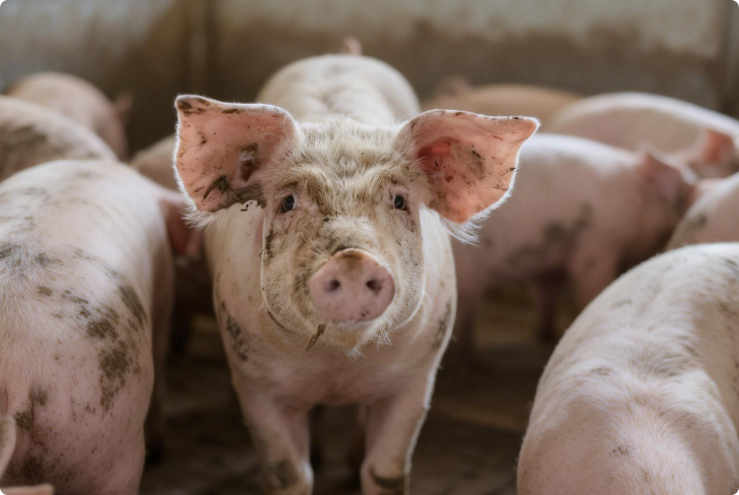
Combating Heat Stress: Building a Healthy Ventilation System for Pig Housing
In addition to good feed and water, pigs require a healthy housing climate for optimal growth. It is well known that pigs are highly sensitive to heat stress, meaning that under high-temperature conditions, their feed intake decreases, leading to reduced lactation in sows, slower growth in piglets, and restricted weight gain in finishing pigs, among other issues.
Comfortable conditions can be regulated through ventilation systems and fans in pig housing, including cooling, filtration of harmful substances and gases (such as ammonia), and more.
Pig house ventilation can take various forms, including opposite-door ventilation, ceiling ventilation, valve ventilation, combined ventilation, duct ventilation, and fresh air systems. We often employ a central exhaust fan system that collects air from the entire pig house and expels it through a central ventilation duct.
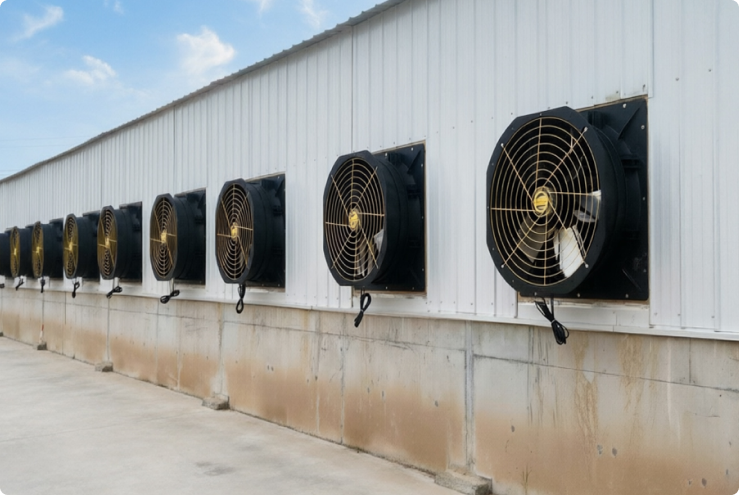
Minimum and Maximum Ventilation
For any pig house, minimum and maximum ventilation rates are critical. Minimum ventilation ensures adequate oxygen levels and removal of harmful substances, typically implemented during low outdoor temperatures, piglet heating periods, or at night.
Maximum ventilation is usually activated on extremely hot days, with large animals, or under full stocking conditions, ensuring heat and harmful substances are expelled and sufficient oxygen is maintained. In warmer environments, cross-ventilation or tunnel ventilation may also be used. Mechanical ventilation systems can be adjusted to adapt to varying conditions, ensuring effective circulation of cool air to prevent condensation and heat stress.
With decades of experience in R&D and production of high-end environmental control products, Aerowind’s fans have proven to be highly durable and reliable in pig housing. The fans offer excellent controllability, enabling both minimum and maximum ventilation, meeting the ventilation needs of pigs at all growth stages, and providing a suitable, healthy climate for the pig house.
Poultry Environmental Control Solutions
Control Solutions
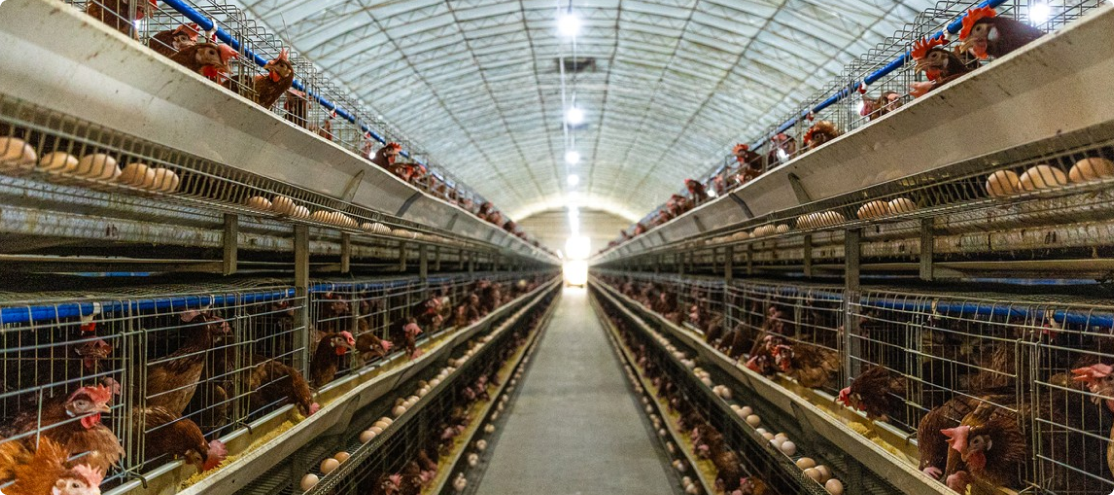
In addition to good feed and water, poultry require a healthy housing climate for optimal growth. The three key factors affecting poultry house comfort are temperature, relative humidity, and air velocity. Therefore, providing adequate poultry house ventilation is essential for maintaining good health.
Optimal Ventilation for Poultry Houses
An optimal poultry house climate ensures your birds are comfortable. Through proper ventilation and fans, these conditions can be easily regulated, including cooling, removal of harmful substances and gases, and supply of fresh air and oxygen.
Poultry house ventilation can take various forms. Common system examples include: ridge ventilation, longitudinal ventilation, tunnel ventilation, and cross ventilation. Combinations of these systems are also possible, such as longitudinal and ridge ventilation, or longitudinal and tunnel ventilation.
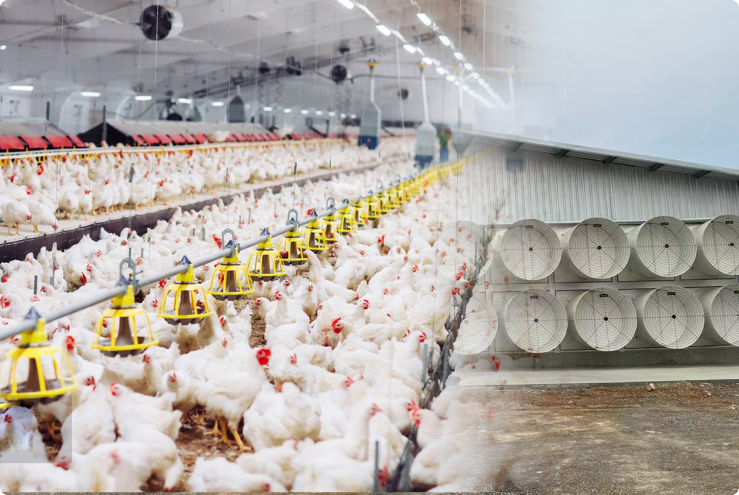
Floor-Raised
In a closed environment, the range of ventilation volume is relatively moderate, and it places greater emphasis on dehumidification and maintaining stable air quality.
Cage-Raised Farming
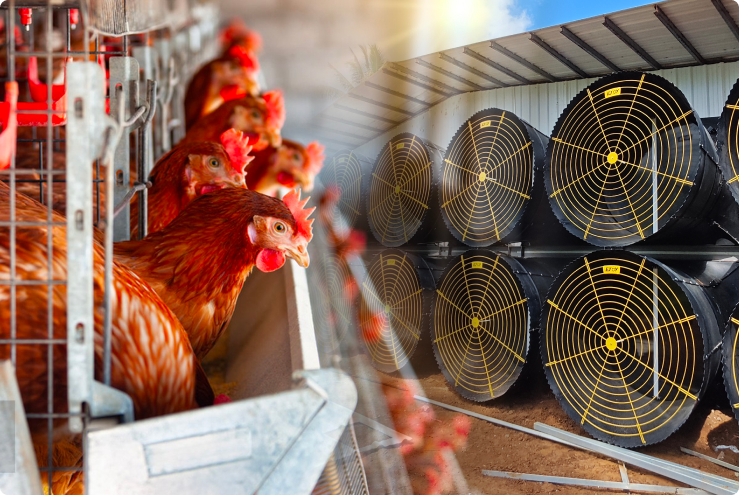
In cage farming, due to higher stocking density and more concentrated heat, a smaller minimum ventilation volume is required to ensure winter insulation, while a larger maximum ventilation volume is needed to meet the cooling requirements in summer. The range of fan operation adjustment is wider, and the environmental control accuracy requirements are higher.
Additional Ventilation Practices in Poultry Houses
Beyond the ventilation methods described above, circulation fans are also commonly used in broiler houses. Circulation fans are primarily employed to reduce temperature stratification, improve temperature uniformity, and save energy. Additionally, circulation fans can increase air movement at floor level, leading to drier litter, improved footpad quality, and encouraging birds to distribute themselves comfortably throughout the house.
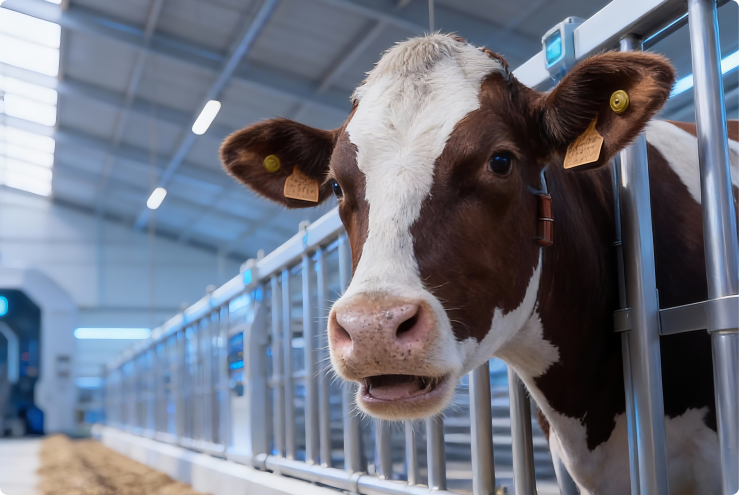
Barn Ventilation
Ensuring Optimal Climatic Conditions for Cattle Production
A comfortable barn climate is crucial for cattle health and productivity. Especially when outside temperatures rise, effective barn ventilation becomes critical. Using appropriate agricultural fans can help prevent heat stress and ensure a healthy growing environment.
Partial open ventilation
Half-open ventilation is a ventilation form that lies between full-open natural ventilation and fully-sealed mechanical ventilation. By retaining some physical partitions while setting fixed or adjustable open openings, it achieves air exchange while also considering the isolation and controllability of the space. It can either rely on natural wind pressure and thermal pressure to achieve natural ventilation, or be combined with a mechanical ventilation system to form a mixed ventilation mode, thereby balancing the requirements of ventilation efficiency, space function, and environmental control.
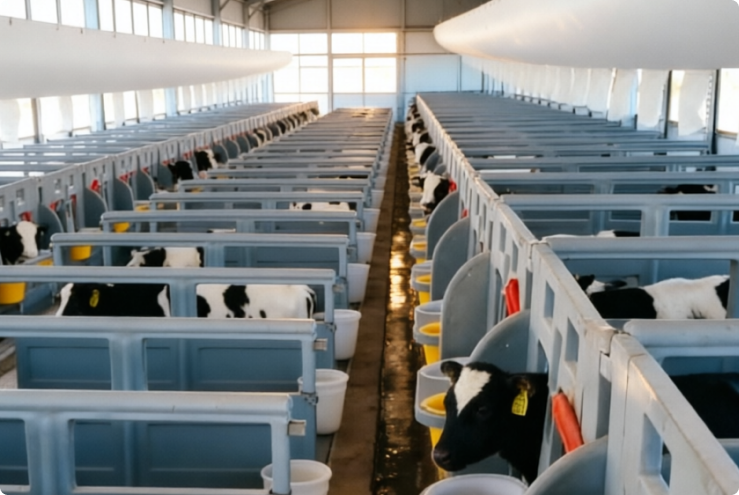
Barn Fans
Throughout different stages of cattle growth, ventilation needs vary, requiring real-time adjustment of ventilation strategies to ensure optimal climatic conditions and reduce heat stress in barns. We offer a range of fans and combinations specifically designed for barn ventilation. Our fans (basket fans) are tailored for barn use. With high projection and air output, these fans maintain a minimum airflow speed of 2 m/s over long distances, making them ideal for low-ceiling barns, especially when paired with smaller basket fans.
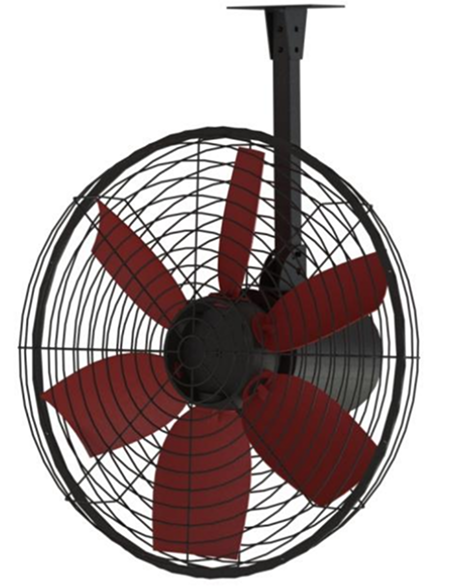
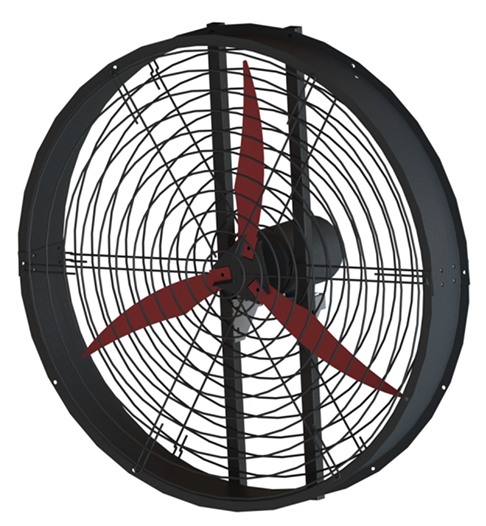
Air Mixing Fans
Our air mixing fans are well-suited for barns, creating comfortable vertical airflow around the herd. This reduces heat stress and fly issues, enhancing overall cattle comfort and health.
Customizable Sizes
Positive pressure duct ventilation System: Flame-retardant Ducts
When temperatures exceed 22°C, cattle tend to reduce feed intake. Other effects of heat stress include reproductive issues, decreased resistance, and increased health risks. To address these challenges, Aerowind has designed, through extensive R&D and testing, a dedicated horizontal air circulation system for barns. Driven by high-pressure fans, the system directs air from the fan through ducts above the cattle, ensuring uniform airspeed for optimal comfort, with customized outlets concentrating airflow for maximum efficiency.
Facility Aquaculture Solutions
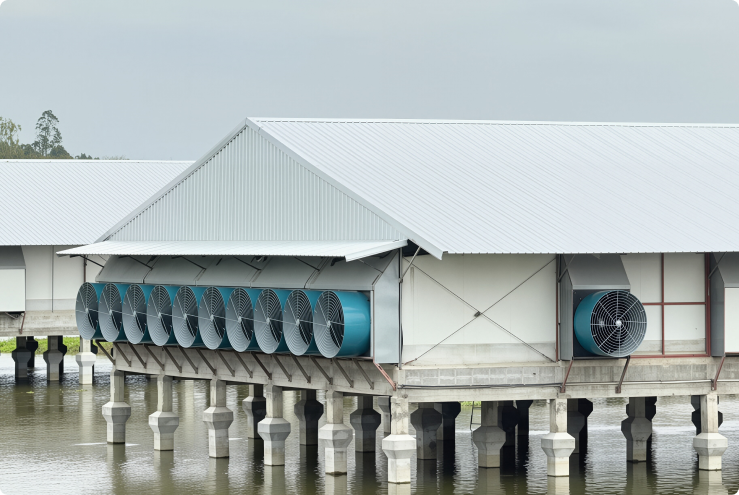
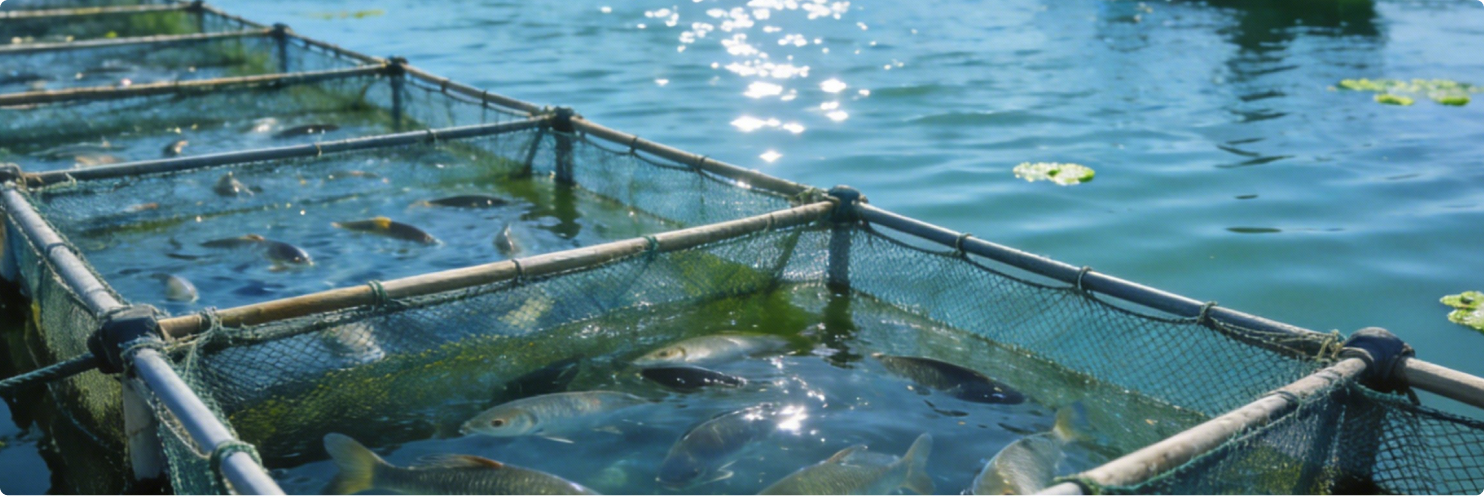
A comfortable aquaculture environment is crucial for the health and productivity of aquatic organisms. Effective ventilation in aquaculture systems helps maintain optimal oxygen levels, remove harmful gases, and regulate temperature, ensuring a healthy growing environment.
Core of Facility Aquaculture
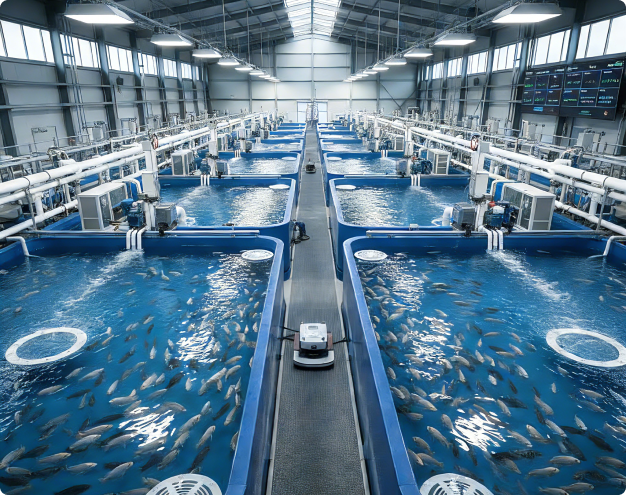
Ventilation in facility aquaculture differs from livestock farming, focusing on supplementing dissolved oxygen in water, removing harmful gases (hydrogen sulfide, ammonia, carbon dioxide) from culture facilities, balancing indoor temperature, humidity, and air pressure, and preventing mold and harmful microorganism growth. It also prioritizes maintaining stable water conditions (avoiding rapid temperature changes and excessive evaporation due to ventilation), adapting to mainstream facility aquaculture setups such as recirculating aquaculture systems (RAS), greenhouse farming, and cage-supported indoor facilities, meeting the ventilation needs of various species including fish, shrimp, crabs, shellfish, and algae.
Core Design Principles for Aquaculture Ventilation
Aquaculture ventilation must adhere to the core principles of "integrated water-air operation, gentle and slow airflow, precise temperature control, low energy consumption, and high efficiency," avoiding issues such as water temperature fluctuations, dissolved oxygen loss, and changes in water salinity due to improper ventilation, as detailed below:
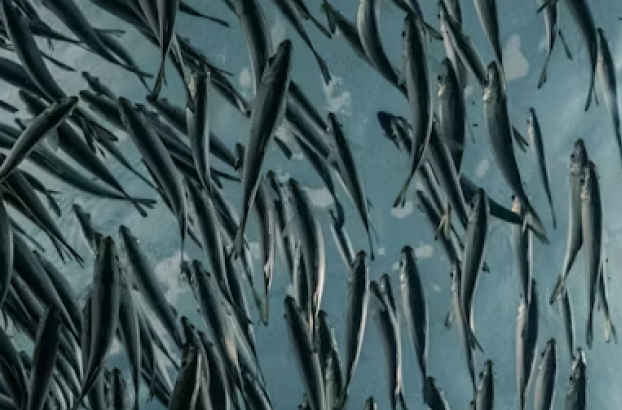
Integrated Water-Air Operation
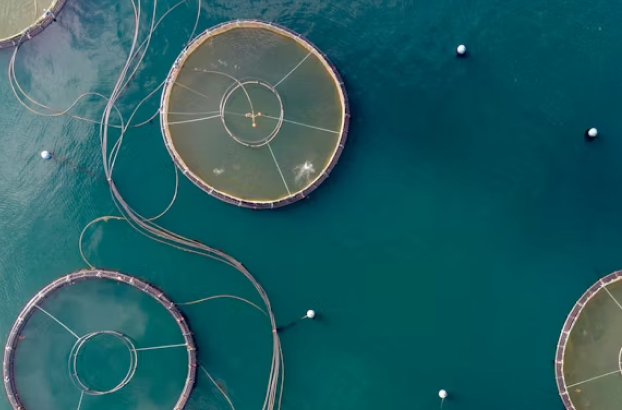
The ventilation system is linked with aeration and water circulation equipment, supplementing dissolved oxygen through ventilation while avoiding strong direct airflow over water surfaces, which could cause oxygen escape and rapid temperature changes.
Gentle and Slow Airflow
Air velocity within the facility is controlled between 0.3-0.8 m/s (up to 1.0 m/s in greenhouses when appropriate), employing a "low-speed, uniform, non-direct" ventilation approach to minimize water surface disturbance.
Temperature and Humidity Balance
Ventilation manages both temperature and humidity; cooling without dehumidifying in hot seasons, preserving oxygen without cooling in cold seasons, and dehumidifying to prevent mold in humid seasons.
Priority Exhaust of Harmful Gases
Adopting a "low-level exhaust, high-level intake" pattern to prioritize removing dense harmful gases (hydrogen sulfide, ammonia) from the facility floor (around culture tanks), preventing accumulation.
Energy Saving and Low Consumption
Prioritize natural ventilation supplemented by mechanical ventilation; use intelligent variable frequency control in large-scale industrial farming, integrating with water circulation systems for coordinated energy optimization.
Mainstream Ventilation Modes in Facility Aquaculture
Positive and Negative Pressure Ventilation
Exhaust fans (primarily low-level exhaust fans) are installed inside the facility to force the intake and exhaust of harmful and stagnant air at the bottom, creating a slight pressure differential within the facility. Fresh air is naturally drawn in or exhausted through high-level air inlets and ventilation windows, flows slowly, and is then drawn in or exhausted from low-level points, avoiding strong direct airflow over water surfaces. (Suitable for indoor farming in both northern and southern regions)
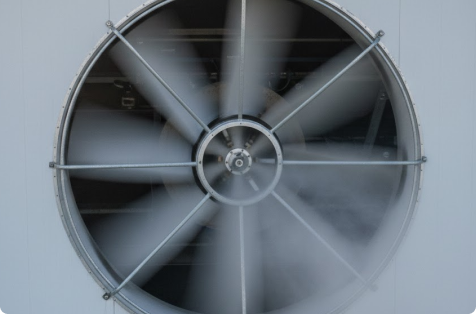
Hybrid Ventilation: Natural + Mechanical Combination, the Cost-Effective Choice
Balancing low cost and high controllability, it reduces overall energy consumption while adapting to the characteristic of facility aquaculture having "different ventilation needs in different seasons." It is the optimal general choice for industrial facilities and greenhouse farming. (Compatible with over 90% of facility aquaculture scenarios).
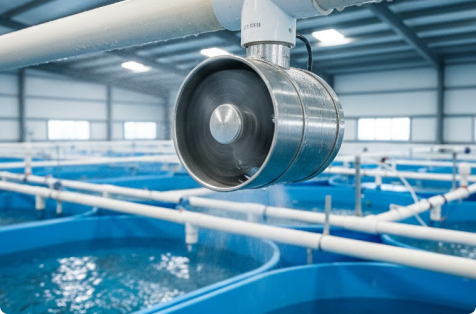
Localized Precision Ventilation
Small fans and ventilation ducts are installed in critical areas such as around culture tanks and facility dead zones to achieve localized air circulation, serving as a supplement to overall ventilation. (Suitable for use with positive and negative pressure fans during hot seasons)
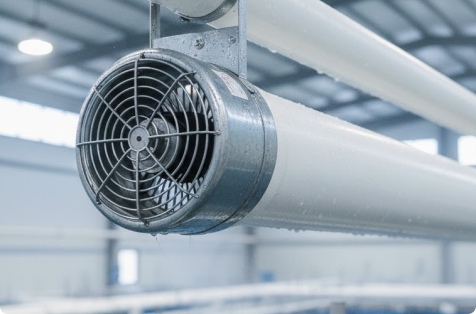
Related Products
We offer a range of high-performance products professionally designed for controlled-environment ventilation scenarios, helping you achieve precise, efficient, and energy-saving environmental control goals.